

When I look at Hold and Win Games, I concentrate on one symbol that changes the pace of play: the scatter https://holdandwin.org/. I treat Hold and Win Games as a single slot-style game, not a casino brand, so everything here relates to the game screen, its rules panel and the way a session unfolds. The scatter is often missed because it often does not pay on a payline. Instead, it usually triggers free spins, a hold-and-win respin round or another feature path. For UK players, that distinction is important because the feature can carry most of the game’s upside. In this article I describe what the scatter does, how it works with RTP, volatility, bet range and max win, and what I check before I spin. I also point out where exact figures must come from the game’s own information screen rather than assumptions.
What the Scatter Symbol Works in Hold and Win Games
In Hold and Win Games, the scatter is a symbol that usually pays or activates from any position, so it does not need to land on an active payline. I examine the game rules because the trigger threshold can be three, four or five scatters, and some versions also give a scatter payout. The main job is to open the feature: free spins, a hold-and-win respin round or a combined path. That makes the scatter different from a low-value line symbol. When I see two scatters, I record the near miss but do not assume the next spin is due. The symbol is part of the game’s random outcome, not a progress bar. I also check for whether scatters are excluded from wild substitution, because that affects how I interpret the grid. If the rules say scatters cannot be replaced, I cease expecting a wild to complete the trigger.
The scatter is not the same as a wild, even when both symbols look important. A wild normally stands in for paying symbols on a line, while a scatter usually skips lines and activates a feature. I read the paytable to see whether the scatter has a cash value, whether it shows on every reel and whether it can land during free spins. Some Hold and Win Games use scatters only in the base game; others let them retrigger the feature. That distinction impacts how I assess a session. If the scatter is the only route to the hold-and-win round, I give close attention to its trigger rules. If free spins can retrigger, I verify whether the scatter count resets or carries over. I also verify whether scatter wins are paid in addition to line wins or replace them, because that detail modifies the total return I can anticipate from a single spin.
Wager Range Considerations When Scatters Are Key
My stake size directly affects how I encounter scatter-driven features because scatter payments and bonus possibility usually scale with the total bet. I always check the game’s bet range before I start, and I look for any rules that modify the scatter’s performance at different bet levels. Most Hold and Win Games multiply scatter prizes by the total bet, so a 20x scatter prize at a £1 bet pays £20, while the same prize at a £0.20 bet pays £4. That linear relationship is simple, but I also evaluate how the feature’s maximum win cap works with my bet. If the game has a max win of 5,000x bet, a higher bet moves me closer to that ceiling faster, but it also reduces my bankroll more quickly during dry spells. I balance my bet so that I can survive enough spins to reach the average bonus frequency.
Some games offer an ante bet or a bonus buy option that boosts the scatter’s landing probability or lets me buy direct entry to the feature. I treat these options as a separate bet range decision. An ante bet might increase my stake by 50% but double the chance of triggering the bonus, which changes the effective RTP and volatility. I always check the adjusted RTP figure for the ante bet mode, because it is often slightly dissimilar from the base game. When I utilize a bonus buy, I wager a fixed multiple of my base bet to skip straight to the feature, and the scatter’s role in the base game becomes irrelevant. I balance the cost of the buy against the average feature payout to judge if it makes mathematical sense for my session. I never suppose a bonus buy is automatically good value; I confirm the game’s information screen for the feature RTP and match it to the buy cost.
Risk level and the Scatter symbol’s Occurrence
Risk level in Hold and Win Games is directly linked to how often the scatter shows up and how numerous are required to activate the bonus. I utilize the scatter’s performance as a handy indicator of a game’s variance. A high-risk game might need four or five scatters for the main bonus, and these scatters appear seldom, resulting in long dry spells. A lower-variance title might initiate with three scatters and display them more regularly, giving me shorter but more frequent feature visits. I never depend on gut feeling; I monitor my own spins over a few hundred rounds to see if the scatter frequency aligns with the claimed hit rate. If a game claims a 1 in 120 spin bonus frequency, I anticipate to see a scatter trigger about once every 120 spins on average, though short-term results will fluctuate.
I also look for scatter distribution patterns. Some games cluster scatters on specific reels, which changes the probability of landing a complete set. If scatters only occur on reels one, three and five, the chance of landing three scatters is significantly lower than if they can appear on all five reels. I check the paytable or the game’s help section for reel strip information when it is accessible. This level of detail assists me grasp why a session can feel more volatile than the RTP number suggests. I treat the scatter as the essence of the game’s volatility profile. When I notice a game that offers a scatter prize for two symbols but requires five for the bonus, I recognize a design that provides regular small wins but a uncommon big feature, which is a standard high-volatility trademark.
The way Scatter Triggers Vary from Payline Wins
I always separate scatter triggers from standard payline wins because the mechanics are fundamentally different. A payline win demands matching symbols to land on a specific line, usually from left to right, and the payout is computed by multiplying the line bet by the symbol’s coefficient. A scatter trigger, on the other hand, counts the number of scatter symbols anywhere on the reels, regardless of position. That means a scatter can show up on reel one and reel five without any connecting line and still register toward the trigger. I find this distinction vital when I judge a game’s hit frequency. A scatter that awards a small scatter prize on top of triggering the feature gives me a small bankroll cushion, while a scatter that only unlocks the feature without any instant cash reward raises the variance of the session.
Another key difference is how scatter wins are calculated. Most payline wins multiply the line bet, but scatter wins often multiply the total bet. I always verify this in the paytable because it can make a three-scatter payout surprisingly large. For example, a game might present a 2x total bet prize for three scatters, which is equivalent to a 20x line bet on a 10-line game. That kind of detail helps me understand why a session can feel more volatile when scatters land without triggering the main feature. I also observe that some games treat scatter pays as an addition to line wins, while others pay the scatter amount and then launch the feature, effectively giving me two rewards from one spin. Understanding this split lets me interpret the game’s rhythm more accurately and avoid misjudging a dead spin that actually returned a small scatter prize.
The role of Scatters in Free Spins and Retriggers
When I enter a free spins round, the scatter’s behaviour often alters. In many Hold and Win Games, the scatter symbol continues on the reels during free spins and can retrigger more spins. I check the exact retrigger condition: some games require the same number of scatters as the initial trigger, while others reduce the threshold to two scatters. A lower retrigger threshold can greatly extend a bonus round, and I include that in my assessment of the game’s potential. If the scatter is eliminated from the reels during free spins, I understand the bonus has a hard cap, and I adjust my expectations accordingly. I also check whether the scatter can appear on all reels during the feature or only on specific ones, because that influences the probability of a retrigger.
Retriggers are more than about extra spins; they often introduce additional modifiers. Some Hold and Win Games add a multiplier that increases with each retrigger, while others extend the reels or add extra hold-and-win symbols. I focus on the rules panel to find out if the scatter’s role changes. For instance, a game might use the scatter to accumulate special coins during free spins, and each collected scatter enhances a final prize. I view the scatter as a multi-purpose tool in these scenarios, not just a key. When I play a game where scatters can retrigger, I remember how many spins I have left and whether the scatter frequency feels consistent with the base game. If the game’s volatility varies during free spins, the scatter becomes my main signal of how long the bonus might last and how large the final payout could be.
Max Win Potential and Scatter-Triggered Features
The scatter is commonly the gatekeeper to a game’s highest payout, so I analyze how the feature can deliver that top prize. In hold and win respin rounds, the scatter might unlock a grid where special symbols contain jackpot values or multipliers. I search for the rules that clarify how the grand jackpot is won. Sometimes the scatter must land alongside a certain number of bonus symbols, or the feature itself has a incremental element where each scatter gathered during free spins charges a meter. I trace the path from scatter trigger to max win so I understand what sequence of events needs to happen. This assists me establish realistic expectations; a 10,000x max win might demand a ideal combination of retriggers and high-value symbols that takes place once in millions of spins. important information
I also check whether the max win is capped by the game’s software or by the maths model. Some games promote a 5,000x max win, but the scatter feature can potentially produce higher amounts that are then truncated. I review the game rules closely to see if any excess is forfeited or if the round stops once the cap is reached. This is important because a scatter-triggered feature that can exceed the cap but gets cut short alters the effective RTP. I also evaluate the scatter’s role in progressive jackpot versions of Hold and Win Games. In those titles, the scatter might initiate a jackpot wheel or a pick-me game, and the max win is not a set multiplier but a shared prize. I always confirm the current jackpot value and the trigger conditions before I dedicate my bankroll, because the scatter’s value in those games is linked to a number that changes in real time.
Scatter Winnings and Their Impact on RTP
The scatter’s share to a game’s return to player (RTP) is often concealed in the maths model, but I can gauge its weight by checking the paytable. A scatter that pays a cash prize for two, three, four or five of a kind provides a small but steady stream of returns that smooths out the base game. I measure the scatter payout to the highest-paying line symbol to assess its weight. If a five-scatter prize amounts to 50x total bet and the top line symbol gives 500x line bet, the scatter’s RTP contribution is limited but not insignificant. In games where the scatter only activates a feature without any instant payout, the entire RTP allocation for that symbol resides inside the bonus round. That causes the base game feel more restrictive, and I understand that the real value is deferred.
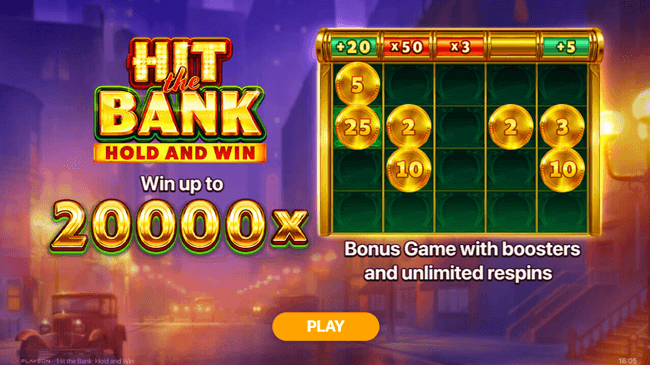
I also evaluate how scatter payouts combine with the hold-and-win mechanic. Some games grant a scatter prize and then lock the scatter symbols in place for a respin sequence, practically paying twice. This dual role can raise the scatter’s RTP share larger than a casual glance suggests. I always look for the theoretical RTP figure in the game’s information screen and then mentally analyze where the value sits. If the base game RTP is 68% and the feature RTP is 28%, the scatter is the bridge between those two numbers. Comprehending that split assists me choose whether a game suits my session goals. I never rely on guesswork; I review the rules and, where available, the game’s help file to see if the developer discloses the feature hit rate and average bonus value.
Checking the Game Rules for Scatter Icon Details
Before I spin, I open the game’s information screen and search for the scatter section. I want to see the exact trigger threshold, the payout for each scatter count, and whether scatters are available during free spins. I also check any special conditions, such as scatters that only appear on certain reels or that are eliminated after a trigger. This information is usually available under the paytable or a dedicated “features” tab. I view this step as non-negotiable because two games that look similar can have very different scatter rules. For example, one Hold and Win Game might require three scatters for the bonus and pay a 2x prize, while another demands four scatters and pays nothing. That difference alone can alter the game’s volatility and session feel dramatically.
I also check for the theoretical RTP and the feature hit frequency if the developer provides them. Some games show a “bonus chance” percentage, such as 1 in 140 spins. I employ that number to set my session length and bet size. If the game does not reveal these figures, I rely on my own tracking and community data, but I always commence with the official rules. I take note of the fine print about scatter wins being paid in addition to line wins, because that influences how I understand the win counter. A spin that displays a line win and a scatter prize might appear as a single payout, but the rules specify the split. I also verify whether the scatter symbol has any function in the base game beyond triggering the feature, such as functioning as a wild or having a multiplier. Every detail I collect from the rules panel assists me take informed decisions instead of guessing.
FAQ
What is a scatter symbol for Hold and Win Games?
A scatter symbol acts as a special icon that usually pays or triggers a feature no matter its position on the reels. It does not need to land on a payline. In Hold and Win Games, the scatter typically unlocks free spins, a hold-and-win respin round or a combined bonus. I consistently check the paytable to see the exact trigger threshold and whether the scatter also awards an instant cash prize.
Is it possible for a scatter symbol pay a cash prize without triggering the feature?
Yes, many Hold and Win Games feature a scatter payout for landing two, three, four or five scatters anywhere on the screen. This prize is typically a multiple of the total bet. Even if the required number for the feature is not met, a smaller scatter prize can still be awarded. I check this in the rules because it adds a small return to the base game and reduces dead spins.
Will scatters work during free spins?
In most Hold and Win Games, scatters remain active during free spins and can retrigger additional spins. The retrigger condition may be the same as the base game or reduced to two scatters. I always check the feature rules because some games remove scatters entirely during free spins, which caps the bonus length. Retriggers frequently come with extra modifiers like multipliers or expanded reels.
What effect does the scatter affect a game’s RTP and volatility?
The scatter plays a role in RTP either through direct cash prizes or by unlocking the feature where a large portion of the return is stored. A scatter that only triggers the bonus without a cash prize shifts RTP into the feature, making the base game tighter. Volatility is influenced by how many scatters are needed and how often they land. Fewer scatters and higher frequency lower variance, while rare, high-threshold triggers increase it.

Where can I find the exact scatter rules for a specific game?
I usually open the game’s information screen, commonly accessed via an “i” or menu button. The paytable lists scatter payouts, trigger requirements and any special conditions like reel restrictions. Some developers also show the feature hit frequency and theoretical RTP. I rely on this official data rather than assumptions, because scatter behaviour can vary significantly between different Hold and Win Games.